Understanding Odds: The Intersection of Gambling and Learning
James Bennett ·
In the wake of Hurricane Katrina, images of destruction and resilience are etched in our memory. The visuals depict devastation and the strength of the human spirit as communities rebuild and adapt.…
Lessons from Hurricane Katrina: Rebuilding Educational Foundations
The impact of Hurricane Katrina in 2005 reshaped New Orleans and its educational framework. As families struggled to rebuild, the need for effective educational strategies became clear. Many students faced gaps in their learning due to disruptions caused by the disaster. This highlighted the need for adaptive teaching methods that catered to diverse learning needs and fostered resilience among students
In the aftermath, educators and policymakers sought innovative ways to address these gaps. They implemented programs aimed at restoring educational access and enhancing learning quality. This journey of recovery offers insights that resonate with current practices—especially for homeschooling families striving to create effective environments. By understanding lessons from such a crisis, we can build a stronger educational foundation for future generations.
Identifying Gaps in Learning
Disasters like Hurricane Katrina expose significant educational shortcomings. Teachers, parents, and students confronted what was lacking in the traditional system. Many students returned from evacuation to find their knowledge disrupted, making it essential to assess individual learning needs. Identifying these gaps required a collaborative approach, where educators worked closely with families to understand their unique challenges. This emphasized the importance of personalized learning plans that adapt to a child's educational journey.
Adapting Strategies for Resilience
Recovery efforts post-Katrina inspired innovative teaching methods focused on resilience. Educators incorporated hands-on learning, project-based assignments, and emotional support into their curricula. By integrating technology and community resources, they created dynamic environments that engaged students and encouraged critical thinking. Some schools adopted flexible schedules and alternative teaching styles to accommodate diverse learners. These strategies supported academic growth and nurtured emotional resilience, helping students cope with the aftermath of the disaster.
Understanding Odds: The Intersection of Gambling and Learning
Transitioning from lessons learned after Hurricane Katrina, we can draw parallels to gambling and education. Understanding odds influences decision-making processes and outcomes in both realms. In education, grasping probabilities equips learners with skills to make informed choices about their studies and future paths. Similarly, knowing the odds in gambling leads to smarter strategies and better outcomes. This intersection opens new avenues for engaging educational experiences.
Exploring the concept of odds enhances our understanding of risk versus reward in academic settings and gaming environments. This knowledge empowers students to approach challenges critically, weighing options effectively. Engaging with probability and risk transforms mundane lessons into dynamic experiences that resonate with learners, fostering a deeper understanding of their choices. 🎲
Applying Probability to Educational Outcomes
Probability shapes educational outcomes, especially when students learn to analyze risks and benefits. By incorporating probability into lesson plans, educators help students grasp the significance of informed decisions. For instance, activities that require calculating odds teach students to weigh different scenarios. This skill encourages critical thinking that extends beyond the classroom. The more students understand how to assess situations probabilistically, the more empowered they become in their learning journeys.
Engagement Through Game Mechanics
Incorporating game mechanics into education engages students effectively. By applying principles from gaming, educators create interactive experiences that motivate participation. Elements like point systems, challenges, and rewards transform traditional lessons into exciting adventures. Classrooms that adopt gamified learning often see increased student engagement and improved retention of knowledge. This approach makes learning enjoyable and mirrors the excitement found in digital poker sites, where strategy is key to success.
Creating a Risk-Reward Framework in Education
After Hurricane Katrina, the resilience of New Orleans families inspired innovative approaches to education. Many parents turned to homeschooling, prioritizing personalized learning and adaptability. A risk-reward framework enhances this journey, enabling families to set clear objectives and assess educational strategies effectively. By focusing on measurable outcomes, parents and students navigate learning complexities with purpose and direction.
Establishing goals is essential, particularly in homeschooling where traditional metrics might not apply. This framework encourages families to identify potential risks of various educational choices and weigh them against possible rewards. By doing so, students develop a deeper understanding of their learning processes while cultivating critical decision-making skills. This method supports academic growth and fosters confidence crucial for lifelong learning.
Setting Goals with Measurable Outcomes
To implement a risk-reward framework, it is vital to set specific, measurable goals. These objectives should be clear and attainable, allowing families to assess progress regularly. Strategies to consider include:
- Define short-term and long-term educational goals.
- Utilize assessment tools to track progress.
- Incorporate student feedback to refine objectives.
- Adjust goals based on performance and interests.
Fostering a Culture of Experimentation
Encouraging a culture of experimentation within homeschooling can lead to significant learning opportunities. This approach allows students to engage in trial and error, fostering resilience and adaptability. A child might explore different teaching methods or subjects to discover what resonates with their learning style. This enhances their educational experience and prepares them for real-world decision-making, where risks are inherent. Embracing failure as part of learning helps students build confidence and a growth mindset.
Digital Poker Strategies: Insights for Homeschooling
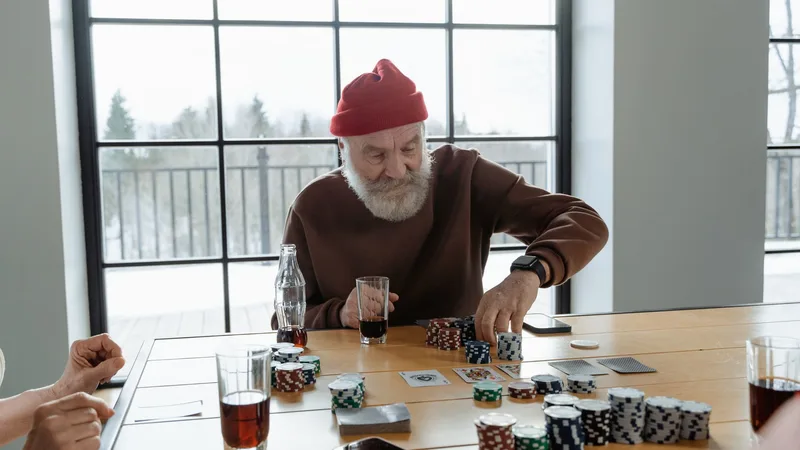
Exploring the intersection of education and gambling, digital poker emerges as a valuable tool for skill development. Online poker platforms provide entertainment and opportunities for learning critical thinking, strategic planning, and risk management. These skills are essential not just in gaming but also in everyday life, particularly for homeschooled students who thrive on interactive methods of learning. The strategies employed in poker can translate seamlessly into educational contexts, making learning fun and impactful.
Incorporating digital poker into a homeschool curriculum offers a unique blend of entertainment and education. As students engage with the game, they learn to assess risks, evaluate opponents, and make informed decisions based on incomplete information. This mirrors real-life scenarios where making quick, strategic choices is often necessary. By leveraging these platforms, parents can enhance their children's learning experiences while introducing them to responsible gaming.
Leveraging Online Games for Skill Development
Digital poker serves as an effective teaching tool in various ways. Players develop mathematical skills through calculating odds while also improving emotional intelligence by managing reactions to wins and losses. These elements create a rich learning environment. Benefits of using digital poker in education include:
- Enhancing numerical literacy through probability calculations.
- Improving emotional regulation and stress management.
- Encouraging strategic thinking and foresight.
- Fostering social skills through online interactions.
Building Critical Thinking Through Strategy
Strategic thinking is at the core of both poker and education. Players must evaluate options, anticipate opponents' moves, and adjust strategies. This dynamic mirrors the challenges students face in academics, where adapting to new information is crucial. Engaging with digital poker refines critical thinking skills, helping students analyze situations from multiple perspectives. This experience benefits gaming and enhances overall cognitive abilities, preparing them for future challenges in and out of the classroom.
Bridging the Gap: Lessons from Casino Entertainment
Reflecting on the devastation of Hurricane Katrina, the resilience of affected communities became a model for rebuilding lives. In recovery, education played a pivotal role, especially for families who turned to homeschooling. This approach allowed parents to tailor learning experiences to their children's needs, fostering a deeper understanding of concepts that might seem abstract. One innovative method that emerged is gamification.
Gamification harnesses elements from casino entertainment, transforming traditional educational practices into engaging experiences. By integrating aspects like point systems, challenges, and rewards, educators motivate students to participate actively in their learning. This method increases engagement and enhances information retention. When students find their studies enjoyable, they are more likely to excel and develop a lifelong love for learning.
Incorporating Gamification into Learning
One effective way to incorporate gamification is by using game-like elements that mirror casinos. Educators can create point systems where students earn rewards for completing assignments or participating in discussions. Introducing leaderboards allows students to see their progress in real-time, fostering a sense of competition and accomplishment. Additionally, designing challenges that require critical thinking and problem-solving mirrors strategic decisions in poker. Such activities make learning fun and encourage collaboration among peers.
Engaging with Real-World Scenarios
Real-world applications of gamification can be found in various educational settings. Some teachers have implemented a classroom economy where students earn "classroom currency" for completing tasks. This currency can be used to "purchase" privileges or items within the classroom, mimicking the stakes of casino games. Another approach involves using digital poker sites as a learning tool, where students analyze odds and probabilities in a controlled environment. These experiences allow students to apply mathematical concepts in practical scenarios, making learning relevant and impactful. As they navigate challenges, they develop essential skills that extend beyond the classroom. 🎓